Account registration and onboarding
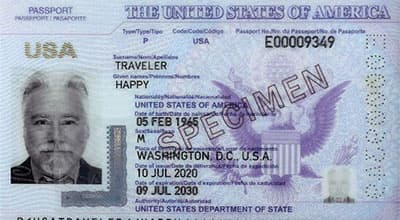
Prevent fraudulent access to bank services by identifying identity theft, invalid identity documents, and altered proof of address or utility bills.
Document Fraud Detection

Digitizing your business operations brings numerous improvements, including increased efficiency and improved data management. But it also comes with significant risks: the low barrier to document forgery and fraudulent transactions. These transactions cost organizations across the world an estimated 5% of their annual revenues, amounting to $5 trillion.
The banking and financial services sectors are the most attractive industries to criminals and fraudsters, closely followed by insurance, healthcare, and government organizations. To protect their profits, reputation, and customers, organizations are tasked with increasing their investments in preventative resources to meticulously review and check incoming documents.
Manually reviewing incoming documents is a slow and error-prone process. It requires significant employee resources, but delivers relatively low detection rates due to the sophisticated tampering methods criminals use.
AI-based solutions provide instant results with higher accuracy and lower cost.
Business documents often come in a range of file formats, document types, and levels of quality (including PDFs, scans and photos). Sorting through unclassified documents often proves challenging for fraud detection solutions.
Organizing and normalizing incoming documents and data prior to feeding them into a specialized fraud detection solution increases success rates.
Implementing simplistic fraud detection solutions that focus only on detecting image manipulation misses the enormous opportunity that the data contained in the document provides.
Combining checks for image manipulation with rule-based data cross-checks is a more powerful and accurate way to detect fraudulent documents.
It’s easier than ever for criminals to access fraudulent document templates. As modern technologies and AI mature, it’s becoming more challenging for organizations to differentiate these templates from genuine documents.
Purpose-built AI solutions intelligently learn and detect the latest fraudulent techniques, making them the only feasible and future-proof approach for successful fraud detection.

Organizations receive a range of documents, including:
These documents come through different channels, such as emails, mobile capture processes, or chatbots, in a variety of formats.
ABBYY IDP applies AI-based classification to detect different documents, classify and tag each document type, and route them to purpose-built AI models for further processing.

Purpose-built AI models, called “skills”, accurately extract, normalize, and validate key data from each document type based on pre-defined business rules. These validation methods can include:
Any extracted data that doesn’t match the requirements is flagged for manual review and special attention.
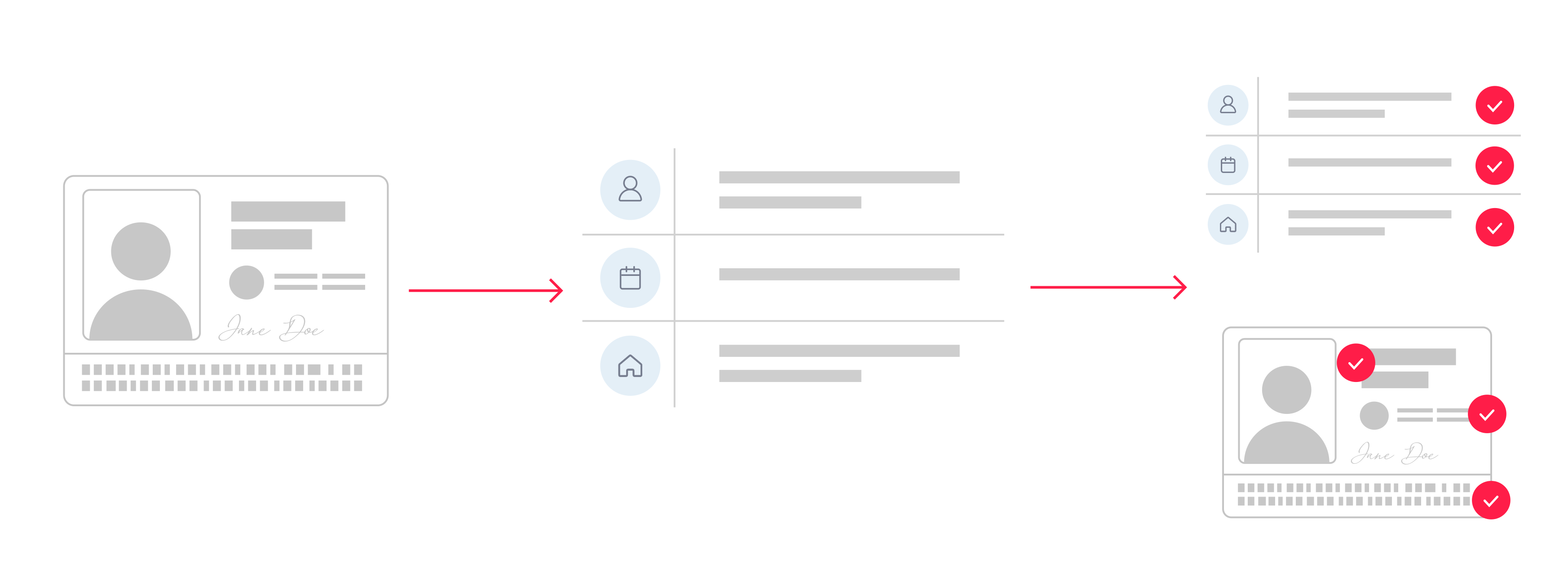
AI-based document forensics solutions perform complex authenticity checks within seconds through layout, content, and digital analysis. The forensics search for use of blacklisted fraudulent templates, document reuse, digital modifications, and more.
The underlying AI models continuously learn and improve with each document they analyze, while incorporating assessment techniques from emerging fraud practices.
The solution then provides risk assessment scores and supporting data to expedite decision making.







Document fraud is generally carried out with two types of document: false and genuine.
False documents are entirely fabricated without any legitimate records. These documents intend to deceive by presenting fictitious information as genuine. Criminals may create or use false documents through techniques like:
Genuine documents are legitimate documents that are altered or duplicated to misrepresent information. These documents may have been authentic, but are manipulated to serve fraudulent purposes. For example:
There are other types of document fraud (such as serial fraud, which requires carrying out several of the other fraudulent activities on a mass scale) that have become increasingly common in large organizations.
The most commonly faked documents include identification documents (such as driver's licenses and passports), financial documents (like payslips and bank statements) and utility bills.
Fraudsters often target these documents because they can provide access to critical services, from loans to residency. Criminals will generally use fraudulent documents to misrepresent their identity, financial status, or residency details to give them access to financial benefits and services.
The access and ease of committing document fraud has made it crucial for organizations across industries to prioritize document verification. There are a range of industries that can benefit from implementing fraud detection solutions. These include: